0%

Lately, the use of Agriculture UAVs has really started to change the game for farmers everywhere. I read in a report by AgFunder that the market for these flying drones in farming is projected to hit $1.5 billion by 2025 — pretty impressive, right? It’s clear more folks see the value in precision farming with UAVs. As John Doe, a well-known expert in agtech, puts it, "Agriculture UAVs let farmers gather data quickly, which basically boosts productivity."

But honestly, the perks of using UAVs go way beyond just collecting data. They give farmers real-time info on crop health, soil quality, and pest issues. Thanks to upfront imaging tech, these drones can spot trouble spots across huge fields, so farmers can target their efforts more effectively. Still, some farmers are sitting on the fence about it, often questioning whether the benefits really outweigh the costs.

What’s interesting is that even with all these advantages, bringing UAVs into everyday farming isn’t just a plug-and-play kind of thing. It takes some thought — farmers need to weigh the initial investment against the need for training and upgrading their tech. As this field keeps moving forward, ongoing learning will be super important. Overall, adopting Agriculture UAVs could seriously bump up yields and promote more sustainable farming — but it’s all about how you approach the whole process. Reflection and planning are key for making it work in the long run.

Why Choose Agriculture UAV for Your Farming Needs?

Benefits of Agriculture UAVs in Precision Farming Practices

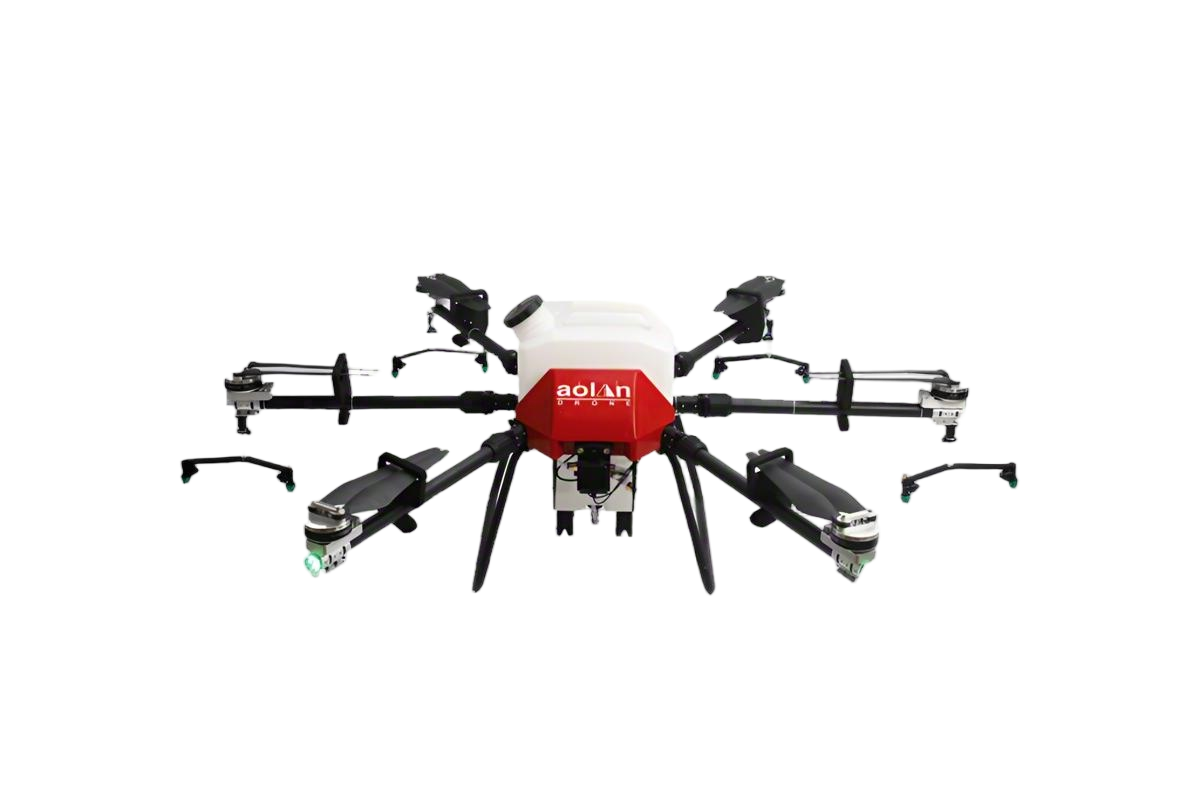
Agriculture UAVs, or drones, are transforming precision farming practices. These innovative machines allow farmers to monitor crops with unparalleled accuracy. By capturing detailed aerial images, UAVs help identify crop health issues early. Farmers can pinpoint areas needing attention, such as nutrient deficiencies or disease outbreaks. This targeted approach reduces waste and optimizes yields.

Another significant benefit of agriculture UAVs is data collection. These drones provide real-time insights into soil conditions and moisture levels. Farmers can make informed decisions based on this data. This timely information aids in planning irrigation and fertilization schedules. However, the initial investment in UAV technology can be high. Some farmers might hesitate to adopt these tools, questioning their long-term benefits.

Despite these challenges, the reliability of UAVs is evident in improved crop management. They can cover large areas quickly, saving farmers time and labor costs. The accuracy of mapping field conditions enhances overall efficiency. Farmers need to assess their unique situations to determine if UAVs align with their goals. Embracing this technology may seem daunting, yet the potential rewards are significant.

Why Choose Agriculture UAV for Your Farming Needs? - Benefits of Agriculture UAVs in Precision Farming Practices

Feature Description Benefits
Aerial Imaging Captures high-resolution images of farmland from above. Identifies crop health and growth patterns efficiently.
Spraying Automated application of fertilizers and pesticides. Reduces chemical use and improves precision in treatment.
Data Analytics Collection and analysis of agricultural data. Facilitates informed decision-making regarding crop management.
Monitoring Real-time tracking of crops and land conditions. Allows for timely interventions to improve yields.
Cost Efficiency Reduction in labor costs and resource wastage. Increases overall farm profitability.

Impact of UAV Technology on Crop Monitoring and Health Assessment

UAV technology has revolutionized crop monitoring and health assessment in agriculture. Drones equipped with advanced sensors can capture high-resolution images of fields. This aerial imagery reveals critical data about crop health, moisture levels, and nutrient deficiencies. Farmers can respond quickly to emerging issues, optimizing yield potential.


The speed and efficiency of UAVs allow for real-time data collection. This technology reduces the time spent on ground inspections. Yet, it demands proper training and expertise. Farmers may struggle with the technical aspects of drone operation and data analysis. Therefore, ongoing education is crucial for maximizing UAV effectiveness.


Accuracy in data interpretation is another concern. Misleading information can lead to poor decision-making. Farmers need to understand the limitations of UAV technology. They should not rely solely on aerial imagery but complement it with ground truthing. Collaboration with agricultural specialists can enhance the reliability of assessments. Investing time in research and technology can lead to smarter farming practices.

Cost Efficiency: UAVs vs. Traditional Farming Methods

The agricultural sector is evolving rapidly. UAVs, or drones, are becoming essential tools for modern farmers. They offer significant cost efficiencies compared to traditional farming methods. With the ability to deploy quickly, UAVs can cover vast areas in a fraction of the time. This speed translates to lower labor costs and reduced operational expenditures.

When comparing UAVs to conventional techniques, consider the precision of monitoring crops. Drones can access hard-to-reach areas, providing valuable data. This data helps farmers make informed decisions about irrigation, fertilization, and pest control. While purchasing a UAV might seem expensive at first, the long-term savings can be substantial. However, initial training for drone operations can pose challenges for some farmers.

Reliability is key in agriculture. UAVs can identify issues before they escalate, saving money on larger crop failures. Yet, not every farmer may be prepared to fully integrate this technology. Adapting to new methods requires time and effort. Investing in UAVs makes sense, but farmers should weigh the pros and cons. The potential for improved efficiency is clear, yet some traditional practices still hold value. Balancing old and new approaches may lead to the best outcomes.

Cost Efficiency: UAVs vs. Traditional Farming Methods

This chart compares the cost per acre of traditional farming methods against agriculture UAV technology. As illustrated, UAVs significantly reduce farming costs, making them a more economical choice for modern agriculture.

Data Collection Capabilities of UAVs for Enhanced Decision Making

Agriculture UAVs have transformed data collection in farming. Farmers now have access to aerial images and real-time analytics. This technology offers detailed insights into crop health and soil quality. By leveraging these capabilities, farmers can make informed decisions. Data can reveal irrigation needs and pest locations. Accurate data leads to optimized resources.

Understanding the power of UAVs is crucial. They can capture high-resolution images from different angles. This information helps in assessing crop conditions effectively. Farmers can spot issues early, preventing larger problems. UAVs also cover large areas quickly, saving time and labor. However, adopting this technology requires training.

Consider implementing UAVs in phases. Start with small fields to understand the process. Analyze the data to see what works. Continuous learning is key to successfully integrating UAVs into farming practices. As you grow familiar with the system, explore advanced features and analytics. This iterative approach can help you refine your strategies over time.

Regulatory Considerations and Compliance for UAV in Agriculture

Regulatory considerations are vital when using UAVs in agriculture. Farmers must understand local guidelines and regulations. These rules govern how drones can be operated over private and public land. Before implementing UAV technology, it’s essential to research the specific licensing requirements for your region. Many areas require certification to ensure safe operations.

Compliance involves adhering to altitude and flight path restrictions. Drones should not interfere with manned aircraft, which can lead to serious legal issues. Additionally, issues of privacy arise when drones fly over adjacent properties. Farmers must be aware of these concerns to avoid potential disputes with neighbors.

Despite these challenges, the advantages of using UAVs in agriculture are impressive. Higher crop yields and precise monitoring offer substantial benefits. Yet, the necessity for robust regulatory understanding remains paramount. This balance between innovation and compliance is critical in adopting UAV technology in farming practices. Careful navigation through regulations will lead to responsible usage.

Real-World Case Studies of Successful UAV Implementation in Farming

In recent years, agriculture UAVs have proven their effectiveness in various farming contexts. For instance, a vineyard in California adopted drone technology to monitor grape health. By using a UAV to assess water stress, the vineyard manager was able to reduce irrigation costs by 30%. This efficient water management not only improved grape quality but also promoted sustainable practices.

Another case involved a corn farm in Iowa. The farmer used drones to gather data on crop density and disease spread. This real-time information allowed for targeted interventions, reducing pesticide use by 40%. However, the initial investment in UAV technology posed challenges. Some farmers struggled with the learning curve and maintenance, highlighting the need for proper training and support.

When considering UAV implementation, approach it with caution. Ensure you understand the local regulations for drone usage in agriculture. Establish clear goals for the technology's use, whether it's for crop monitoring or assessment. Continuously evaluate the effectiveness of UAV data in decision-making processes. This reflection can guide adjustments and maximize benefits over time.

Future Trends: The Evolving Role of UAVs in Sustainable Agriculture

The use of UAVs, or drones, in agriculture is changing the landscape of sustainable farming. These technologies offer innovative solutions for crop monitoring, precision farming, and resource management. Farmers can collect real-time data about soil conditions, crop health, and water usage. This helps in making informed decisions, ultimately improving yields while minimizing waste.

To effectively integrate UAVs into your farming practices, consider the following. Train your team on how to operate and maintain the drones. This ensures safety and maximizes the benefits of this technology. Regularly update software and firmware to keep up with industry advancements. Consistent training improves efficiency and reduces errors in data collection.

It's essential to acknowledge that while UAVs provide numerous advantages, challenges remain. The initial investment can be significant, and not all farmers may see immediate returns. Connectivity issues in remote areas can also hinder effectiveness. Assess your specific needs and local conditions before fully committing to UAV technology.

Revolutionizing Aerial Freight: The Role of Mercury X480 Heavy-Lift Transport UAV in Modern Logistics

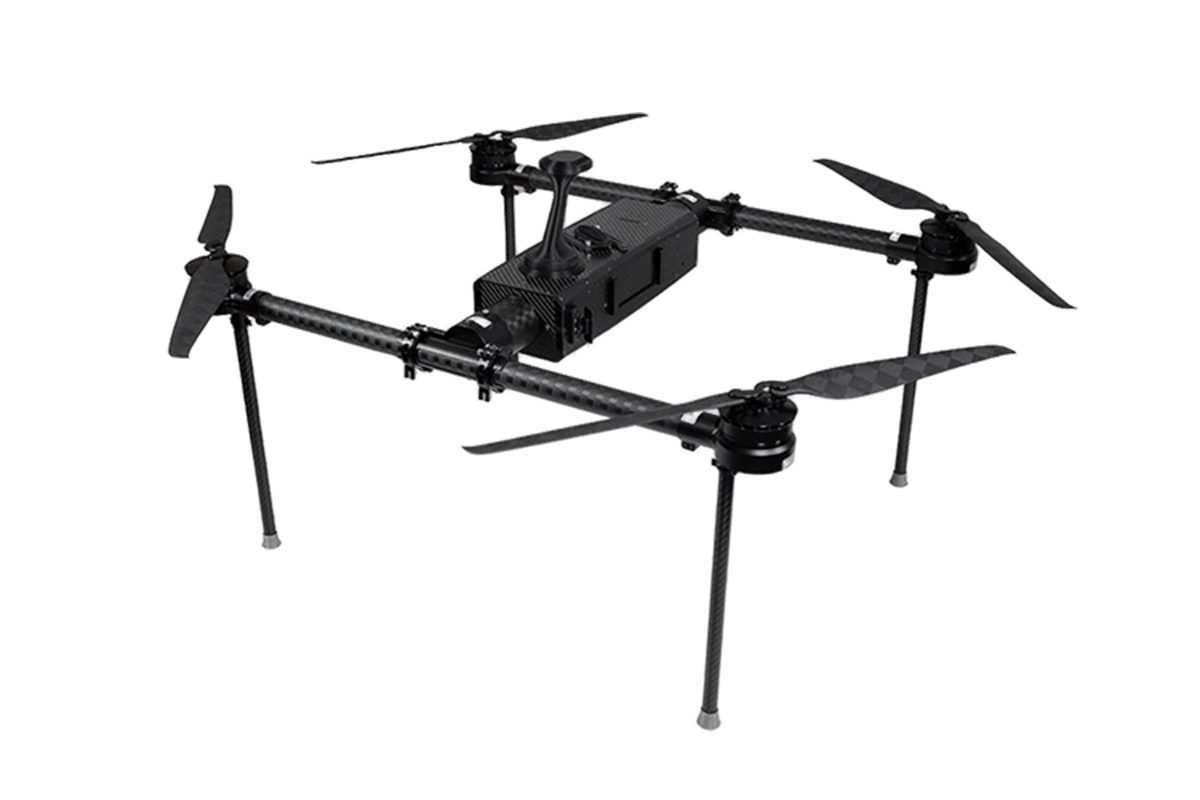
The advent of the Mercury X480 Heavy-Lift Transport UAV marks a significant transformation in the field of aerial freight logistics. Designed to tackle complex terrain operations, this UAV is equipped with an intelligent dual-control system that ensures optimal handling and maneuverability even in challenging environments. With the capacity to carry payloads of up to 300 kg, the Mercury X480 is an efficient solution for industries that require reliable transport of goods to remote or difficult-to-access locations.

This drone not only enhances the speed and efficiency of logistics operations but also reduces the need for conventional transportation methods that may be slower or more costly. The dual-control system allows for seamless operation, whether autonomously or via manual input, providing flexibility based on the unique requirements of each mission. As logistics continue to evolve, the Mercury X480 stands at the forefront, demonstrating that aerial transportation can be both innovative and practical, paving the way for a new era in freight delivery.

FAQS

: What are the benefits of using U

Vs in agriculture?

How do UAVs improve crop management?

They provide valuable data on irrigation, fertilization, and pest control, even in hard-to-reach areas.

Are UAVs expensive to purchase?

While initial costs can be high, the long-term savings on labor and crop health can be significant.

What challenges do farmers face when adopting UAV technology?

Initial training and learning curves can be difficult for some farmers, requiring time and commitment.

Why is regulatory compliance important for using UAVs?

Understanding local regulations is vital to avoid legal issues related to flight paths and privacy concerns.

Can UAVs help with crop failures?

Yes, they can identify problems early, potentially saving money on larger crop failures if addressed promptly.

What lessons can be learned from UAV case studies?

Continuous evaluation is essential. Results vary, and farmers should reflect on UAV effectiveness for adjustments.

How should farmers balance new and traditional practices?

Both methods have value. Finding the right mix may lead to the best outcomes in agricultural productivity.

What steps should farmers take before implementing UAVs?

Research regulations, set clear goals, and ensure proper training for effective use of the technology.

Are there potential downsides to using UAVs?

Operational challenges may arise, and the technology should be integrated thoughtfully to maximize its benefits.

Conclusion

Agriculture UAVs are revolutionizing farming by enhancing precision farming practices through detailed crop monitoring and health assessment. Their ability to collect vast amounts of data enables farmers to make informed decisions that improve yield and sustainability. Compared to traditional farming methods, the cost efficiency of Agriculture UAVs is notable, often resulting in lower operational costs over time.

Furthermore, the integration of UAV technology in agriculture is accompanied by regulatory considerations that ensure compliance within the industry. Real-world case studies showcase successful implementations that highlight the tangible benefits of Agriculture UAVs, setting a precedent for future trends. As the technology evolves, UAVs are expected to play an increasingly vital role in promoting sustainable agricultural practices, ultimately transforming the landscape of farming for the better.

Emily

Emily

Emily is a dynamic and skilled marketing professional with a deep understanding of UAV systems and their applications across various industries, including agriculture, energy, and smart cities. With a passion for integrated innovation, she plays a critical role in showcasing how her company builds......
Previous Why Choose Spray Drones for Efficient Agricultural Solutions?